

Is MagSafe Charging Bad for Battery Longevity?
Key Takeaways
- MagSafe charging is designed to be safe for compatible iPhones and does not inherently ruin the battery.
- Heat, deep battery discharges, and everyday charging habits can have a greater effect on long-term battery health.
- Use a MagSafe charger from a trusted brand and keep your phone away from extreme temperatures while charging.
Wondering if MagSafe is bad for your battery? We’ve got the answers. In this guide, we’ll dive into the whole ‘Is MagSafe bad for battery health’ debate and show you what really impacts battery life.
How MagSafe Works
Before determining whether a MagSafe charger is bad for battery longevity, we’ll have to understand how it all works. Worried that a MagSafe case is bad for your phone? We’ll get into that later too.
Is charging with MagSafe bad for battery longevity? The answer lies in clever design. MagSafe merges the ease of wireless charging with the efficiency of magnets. It works by using two key components:
- Wireless Charging Coil: Both the MagSafe charger and compatible iPhones (iPhone 12 and later) house a wireless charging coil. This coil is essentially a wire loop that generates an electric field when powered.
Some believe that this wireless connection means MagSafe is bad for battery longevity, but this is standard practice for wireless charging.
- Magnetic Alignment: Here's where MagSafe sets itself apart. A ring of magnets surrounds the charging coil in the charger and the iPhone. These magnets attract each other, ensuring perfect alignment between the charger's coil and the iPhone's coil. This magnetic alignment is crucial for efficient power transfer during wireless charging.
Some devices like mophie’s 3-in-1 travel charger even allow you to charge multiple devices like your Apple Watch, AirPods, and iPhone on the go.
Is MagSafe Charging Bad For Your Battery?
To put it simply: MagSafe is not bad for your battery. MagSafe has been designed from the ground up to prioritize efficiency and longevity. Let’s take a closer look.
- Planning Ahead: Heat is the real enemy of battery health. All charging methods, wired or wireless, generate some heat. MagSafe, due to its faster speeds, can potentially generate a bit more heat than traditional wireless chargers.
However, Apple's physical and software design minimizes heat generation.
- Heat Management: All iPhones generate heat, even during regular use. Apple works around this with thermal throttling mechanisms, which is the main reason you never have to worry that heat generated by a MagSafe charger will adversely affect your battery life.
If the phone's internal temperature gets too high, these mechanisms can slow down charging or other processes to prevent overheating and protect the battery. This is one reason why MagSafe is not bad for battery longevity. It also allows for the safe use of accessories like MagSafe-compatible power banks.
- Efficient Coils: MagSafe chargers are designed with efficient coil configurations to maximize power transfer and minimize wasted energy. This translates to less heat generation during charging and plays a huge role in ensuring MagSafe is not bad for battery health.
- Intelligent Monitoring: Apple incorporates software optimizations into iPhones to ensure MagSafe charging is not bad for battery life. These features can monitor things like temperature and adjust the charging current to prevent excessive heat buildup.
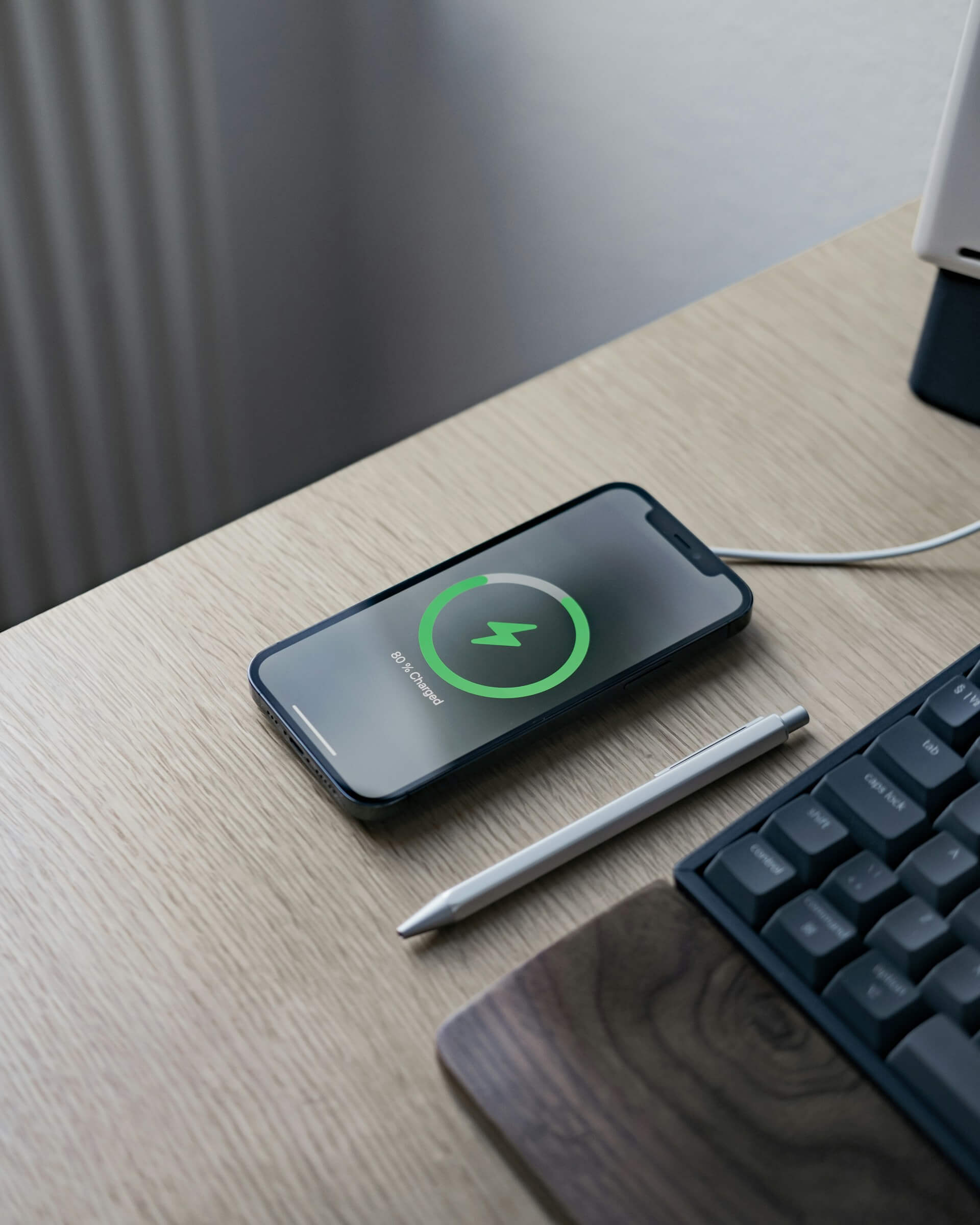
If you’re still worried that MagSafe is bad for battery temperatures, keep an eye on your iPhone’s temperature while it charges. If the device becomes too warm, you may be notified that charging has been paused until it cools down.
What Does Affect Battery Health?
So, we know MagSafe isn’t bad for battery health more than any other form of wireless charging. The question remains: What affects battery longevity?
- Depth of Discharge (DoD): This refers to how much of a battery's capacity is used before recharging. Deeper discharges (letting your phone die entirely before plugging it in) are more stressful on the battery than shallower discharges (topping up around 50%). A MagSafe charger is not bad for battery life; it’s all about how you use it.
MagSafe isn’t bad for battery longevity, but constant discharging is. Keeping your battery level between 20% and 80% whenever possible can significantly improve its lifespan.
- Heat: Both extremely hot and cold temperatures can negatively impact battery health. Instead of wondering whether charging with MagSafe is bad for battery life, you’ll want to focus on heat instead. Heat accelerates chemical reactions within the battery, leading to faster degradation, while cold temperatures can reduce the battery's ability to hold a charge.
To sum it up, a MagSafe case isn’t bad for battery life; it might even help dissipate heat! Graphene-fortified ZAGG phone cases like the Denali Snap are a great example here.
- Fast Charging: While convenient, fast charging puts more stress on a battery by pumping in power quickly. Doing this generates even more heat during charging and accelerates battery degradation.
If this makes it seem like fast MagSafe charging is bad for battery life–it’s not! Most modern phones use software to regulate heat and charging speeds when needed. Worried that MagSafe is bad for battery life? Trust the software!

MagSafe vs. Other Charging Methods: Is MagSafe Really Bad For Battery Health?
Qi Wireless Charging vs MagSafe: Is a MagSafe Charger Bad For Battery Life?
Standard Qi wireless charging juices up your phone at up to 7.5W, while MagSafe can deliver up to 15W on many compatible iPhones and up to 25W on supported newer models with the appropriate charger and power adapter. Less power can also mean less heat and stress on your phone’s battery. This doesn’t mean that MagSafe is bad for battery longevity compared to traditional Qi wireless charging. Your iPhone has been designed to manage supported MagSafe charging speeds safely.
Charge Faster, Charge Safer
MagSafe charging is as safe as it gets. As long as you use a MagSafe charger from a trusted brand and keep your phone out of extreme temperatures, you’re good to go. If you’re looking for a trusted brand, try mophie! Whether it’s MagSafe-compatible power banks or car chargers, mophie has what you need. Power your device up today.
FAQs
Does MagSafe ruin your battery?
No, MagSafe itself doesn't ruin your iPhone's battery. It's designed by Apple to work safely with their devices. Like all lithium-ion batteries, your iPhone battery will naturally degrade over time with regular use and charging cycles. However, MagSafe won't accelerate that process any more than wired charging would. Wondering why a MagSafe charger is not bad for your battery? We have you covered. Apple uses both hardware and software-based safeguards to protect your battery.
For instance, your phone will automatically stop charging if it gets too hot.
Is MagSafe bad for my battery compared to wired charging?
Both methods are perfectly safe and won't significantly affect long-term battery health. The key is to avoid extreme heat exposure, as that can be detrimental to battery longevity. Leaving your phone plugged in under direct sunlight can cause it to heat up faster, and extreme temperatures can speed up battery degradation.
How long is it okay to leave your iPhone on a MagSafe charger?
We recommend taking your iPhone off the charger once it hits 100%. However, it’s also okay to leave your phone charging overnight. Modern phones have sophisticated power management systems that prevent overcharging, which is also why MagSafe is not bad for battery life.
Is a MagSafe case bad for your phone?
Not at all. In fact, a MagSafe case can offer some benefits, like added protection from drops and scratches. If you know why MagSafe charging isn’t bad for your battery, you already know why cases are also safe. Apple has designed its phones with these accessories in mind, and they’re perfectly safe to use. Some MagSafe cases, like the Mophie juice pack, can add even more functionality to your phone, protecting it while keeping it charged throughout the day.
If you need more power during the day or you’re concerned that MagSafe is bad for battery health, a reliable power bank is a must-have.
How can I improve battery longevity?
MagSafe is not bad for batteries, but heat definitely is. Try to avoid using your phone while it’s charging. Software bugs can sometimes cause apps to hog more resources. Make sure to check if a particular app is draining more juice than it typically should.