

Last updated:
MagSafe vs. Wireless Charging: Which Is Better?
Key Takeaways
- Both MagSafe and Qi wireless charging have benefits and drawbacks for charging devices.
- MagSafe charging provides faster charging, a secure magnetic connection, and one-hand operability, along with a wider variety of accessories, but at a higher price point with limited compatibility among brands.
- Qi wireless charging offers universal compatibility at a lower price point, but it has alignment issues, fewer reliable accessories, and slower charging speeds.
Wireless charging has been around for a while, but MagSafe changed the game with its innovative approach. Although the two might seem similar at first, these technologies are more distinct than you might think.
So, what’s the difference between MagSafe and wireless charging? Find out everything you need to know about MagSafe vs. wireless chargers with this guide and discover which one is best for you.
Qi Wireless Charging vs MagSafe: What Is MagSafe?
MagSafe charging is a wireless charging technology developed by Apple specifically for iPhone 12 and later models. The charging process might look simple at first glance, but there’s a lot more going on under the hood of a MagSafe vs. a wireless charger.
The distinguishing feature of MagSafe vs. wireless charging is the use of magnets. MagSafe uses a combination of magnets and a charging coil built into the phone to charge it. Both the iPhone and the MagSafe charger have wireless charging coils that create an electromagnetic field to transfer power wirelessly to your phone's battery when aligned.
Here’s what that means for you:
- Better Alignment: The main feature here is the ring of magnets placed around the iPhone's charging coil. These magnets align perfectly with a MagSafe charger, securely snapping your phone into place for optimal charging.
- Accessibility is a notable advantage of MagSafe vs. wireless charging. No more fumbling with cables or dealing with misaligned coils on standard wireless chargers.
- Faster Speeds: This precise alignment allows for more efficient power transfer, enabling faster wireless charging compared to standard wireless chargers. This wattage is expected to increase even further as transfer tech and heat resistance improve in MagSafe vs. wireless chargers.
Is MagSafe Just Used for Charging?
Not at all. A wider selection of accessories is a huge difference between MagSafe and wireless charging.
Power Solutions
Power solutions are one of the most common applications of MagSafe vs. wireless charging technology:
- Power Banks: High-capacity MagSafe-compatible power banks can charge your iPhone and other devices simultaneously. They're ideal for extended trips or situations where you need to power multiple devices.
- Battery Cases: These battery cases attach magnetically to the back of your iPhone, providing extra juice when you're on the go.
MagSafe vs. Wireless Charging: Cases
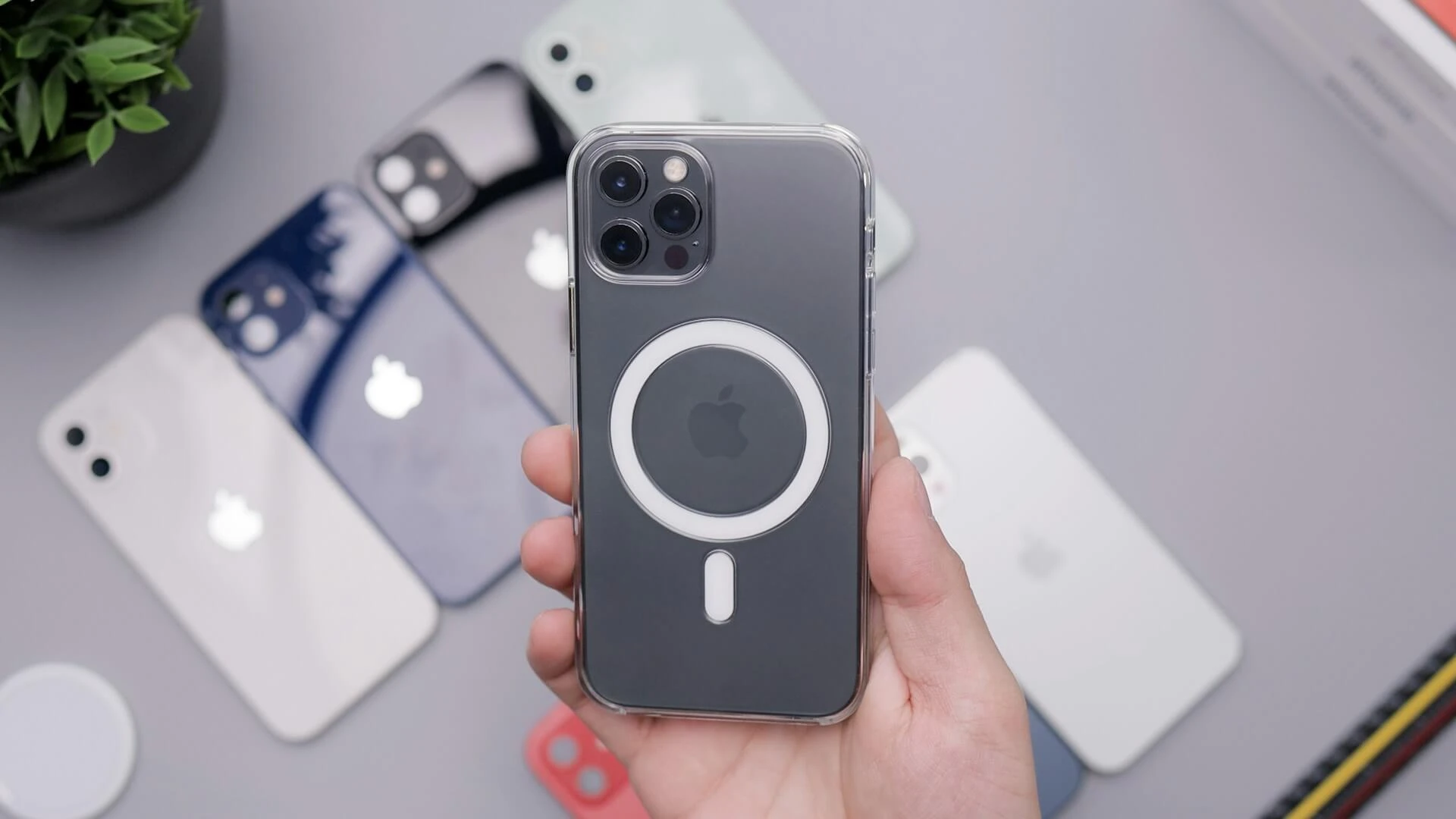
MagSafe-compatible cases help you get where you’re going in style and comfort. Their design integrates magnets seamlessly, allowing you to attach other MagSafe accessories like wallets and power solutions without needing to remove the case. That is quite the plus in the MagSafe vs. wireless charging comparison.
Mounts
MagSafe car mounts securely hold your iPhone in place on your car's dashboard. This feature allows for easy access to navigation apps and hands-free calling while keeping your phone visible and within reach.
Mophie’s wireless charging vent mount is a popular choice here, providing maximum charging speed while securely holding your phone in place.
Qi Wireless Charging vs. MagSafe: What’s the Catch?
Both charging options offer cable-free power, but the difference between MagSafe and wireless charging is that they work differently and come with trade-offs. Qi chargers rely on simple inductive charging, requiring precise alignment between the device and the charging pad, making charging inefficient if the phone isn’t placed correctly. MagSafe, on the other hand, uses a ring of magnets to snap the charger into perfect alignment, ensuring a more reliable connection and faster charging speeds.
However, when it comes to MagSafe vs. wireless chargers, MagSafe chargers are generally more expensive, and while they offer better efficiency, they still generate heat and are not as fast as a wired connection. Qi charging, though slower and less secure in alignment, is more widely compatible with various devices beyond Apple’s ecosystem.
So which should you go with? Qi wireless charging vs. MagSafe? Ultimately, if you want a seamless, optimized experience for an iPhone, MagSafe is the way to go. But for broader compatibility and affordability, Qi charging remains a solid choice.
MagSafe vs. Wireless Charging: MagSafe Pros and Cons
| MagSafe Pros | MagSafe Cons |
|---|---|
| Faster charging speeds | Limited compatibility (iPhone 12 onwards) |
| Secure magnetic connection | Higher cost |
| Accessory Ecosystem | |
| One-hand operability |
MagSafe vs. Wireless Charging: What’s The Difference?
MagSafe and Qi wireless charging both eliminate the need for cables but differ in performance and design. Qi, the standard for most wireless chargers, uses inductive power transfer, which requires precise alignment to avoid inefficiency and slower charging. MagSafe improves on this by integrating magnets that automatically align the charger, reducing energy loss and enabling faster speeds.
While MagSafe offers a more reliable connection and better performance, the difference between MagSafe and wireless charging is that MagSafe comes with a higher price tag and is limited to Apple devices. Qi charging is more affordable and works with a wider variety of gadgets.
MagSafe vs. Wireless Chargers: Where Wireless Charging Shines
MagSafe generally performs better than Qi wireless charging across the board, but there are a few advantages to wireless charging that are worth considering.
- Cheaper: Due to the broader competition in the Qi wireless charging vs. MagSafe charger market, Qi chargers are generally more affordable than MagSafe chargers.
This can be a significant advantage if you need a budget-friendly wireless charging solution. That said, the MagSafe vs. wireless charging cost differences have decreased since its introduction due to increasing adoption. - Compatibility: Qi wireless charging is the widely adopted standard for wireless charging. Many devices from various manufacturers, including Android smartphones, Samsung Galaxy devices, and even some wireless earbuds, support Qi charging.
This also means that a single Qi charger can juice up multiple devices at once. For instance, Mophie’s 3-in-1 wireless charging stand can simultaneously charge up to 3 devices. That makes a real difference between MagSafe vs. wireless charging.
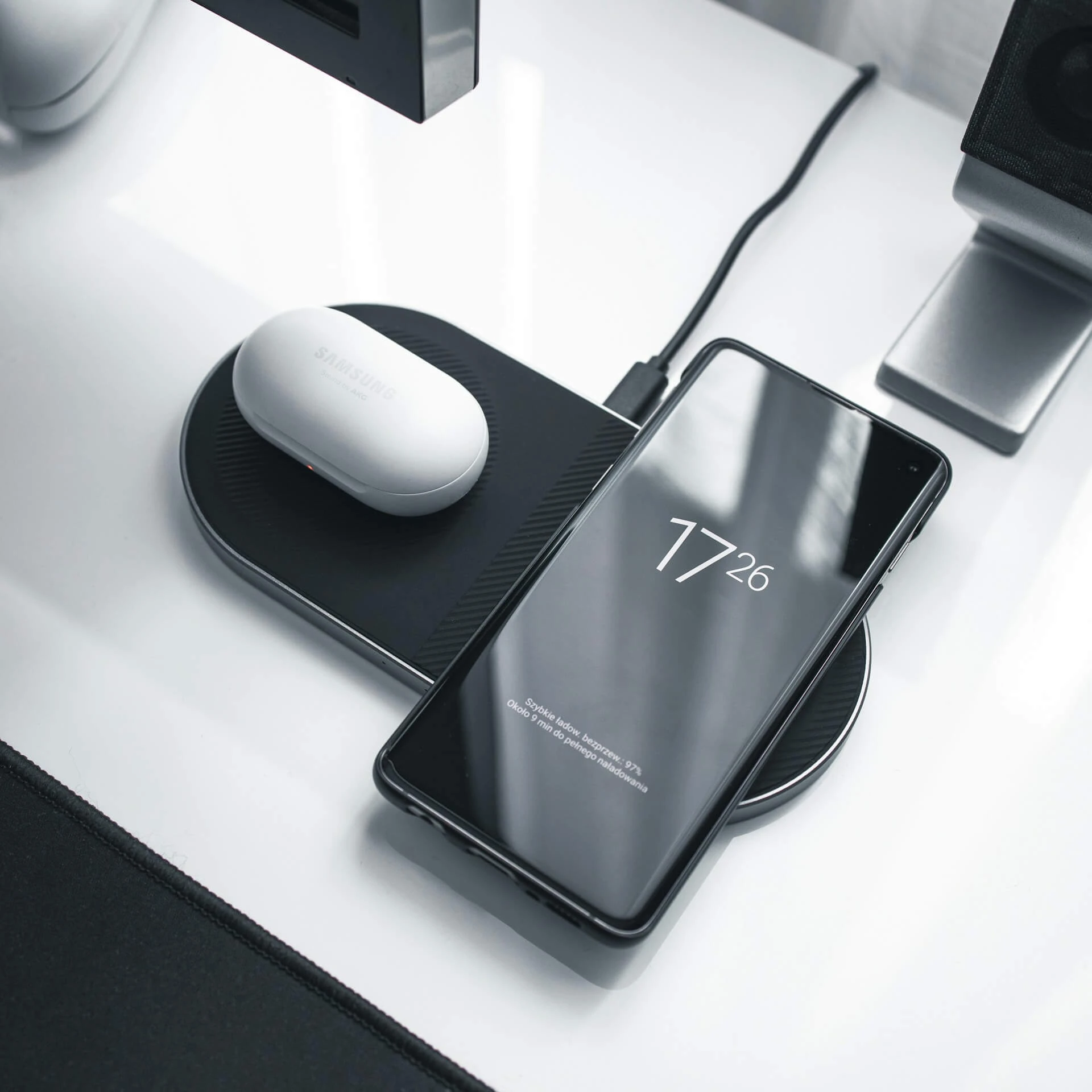
The Qi wireless charging vs. MagSafe debate might seem moot since MagSafe is a form of wireless charging, but the two also differ in many ways.
- Accessories: MagSafe's magnets extend its functionality beyond charging. They allow for accessories like wallets, car mounts, battery packs, and more, all leveraging the magnetic connection for easy attachment and additional features.
- Integration: MagSafe’s integrated magnets attract and perfectly align the magnets embedded within your phone for a seamless experience. This ease of use marks a difference between MagSafe and wireless charging.
- Charging Efficiency: Traditional wireless chargers rely solely on the user placing their device on the charging pad. Even slight misalignments between the charging coils in the phone and the charger can significantly reduce charging efficiency.
The improved alignment ensured by MagSafe goes a long way toward avoiding these inefficiencies and guaranteeing better power transfer.
MagSafe vs. Wireless Charging: Qi Wireless Charger Pros and Cons
| Qi Wireless Charger Pros | Qi Wireless Charger Cons |
|---|---|
| Universal compatibility | Less power-efficient compared to MagSafe |
| Cheaper than MagSafe | Alignment issues |
| Fewer reliable accessories |
Qi Wireless Charging vs. MagSafe: Supercharge Your Phone
MagSafe’s convenience and powerful charging speed make it an easy choice for most iPhone users. From its useful accessories to its one-handed operability, there’s just no going back.
Experience the best in MagSafe charging with Mophie, an industry leader in wireless charging. From powerful multi-device chargers to MagSafe-compatible power banks, Mophie empowers your phone and lifestyle with best-in-class design and power efficiency.
FAQs
+ Is there really a difference between MagSafe vs. wireless charging?
Yes! But the difference between MagSafe and wireless charging is subtle. Wireless charging is the overall concept of charging your phone without plugging it in. MagSafe, on the other hand, is Apple's specific version of wireless charging.
MagSafe uses magnets to perfectly align your iPhone with the charging pad for a faster, more efficient charge. For instance, Mophie’s 3-in-1 wireless charging stands can juice up your phone at a blazing-fast 15W. MagSafe charges up to 15W, whereas other wireless chargers charge iPhones up to 7.5W and Samsung up to 10W.
+ Is MagSafe charging better than normal charging?
If you’re an iPhone user comparing MagSafe vs. wireless chargers, the former is generally better in most cases. When it comes to standard Lightning-based charging, it depends on what you’re looking for.
MagSafe is more convenient, while wired charging offers higher speeds (wired charging speed is based on the wattage of the wall adapter and cable). Comparing MagSafe vs. wireless chargers is entirely different. MagSafe is the better choice for iPhone users, providing twice as much power as other wireless chargers.
+ Can I use a regular wireless charger with my MagSafe-compatible iPhone?
Yes. While MagSafe offers a perfectly aligned and optimized charge, your MagSafe-compatible iPhone will still work with standard Qi-certified wireless chargers. However, remember that you won't get the magnetic hold, so your phone might shift out of place. Additionally, the charging speed of a might be slower than that of a MagSafe charger.
If you’re comparing Qi wireless charging vs. MagSafe, it’s definitely worth investing in a reliable MagSafe charger. Brands like Mophie are known for their high-quality and powerful MagSafe chargers.
+ Does MagSafe charging work with a case on my phone?
It’s easy to forget about cases when focusing on MagSafe vs. wireless charging. In most cases, especially those designed for MagSafe, they won't interfere with the magnetic connection. However, very thick cases or those made with certain materials (like metal) could weaken the magnetic hold or prevent charging altogether.
If you're unsure, it's always best to test it out or check the case manufacturer's recommendations. Manufacturers like ZAGG are the go-to choice for MagSafe-compatible cases, combining durability with convenience.
+ Is MagSafe just for charging?
There’s more to the MagSafe vs. wireless charger debate than meets the eye. MagSafe is also used for tons of useful accessories like car mounts, power banks, stands, and even camera accessories. Now that you know the difference between MagSafe vs. wireless charging, you can invest in an amped-up MagSafe power bank.