

Power Bank vs Portable Charger: What's the Difference?
Key Takeaways
- Power banks and portable chargers both help keep your devices charged when an outlet is nowhere to be found. Very rude of outlets, honestly.
- Power banks usually offer more battery capacity and more ports, making them a smart choice for travel, workdays, and charging multiple devices.
- Portable chargers are often lighter, more compact, and built for quick everyday power-ups.
- The right choice depends on how many devices you charge, how long you’ll be away from power, and whether you prefer wired or wireless charging.
How many times have you needed to charge your phone on the go but didn’t have your charger? Unfortunately, this is an all-too-common problem that comes with mobile lifestyles. But that’s where power banks and portable chargers come in.
These two charging accessories are designed to power up your phone whenever and wherever you need it most, whether that’s on your commute or shopping in the grocery store. But they’re not the same, even though the terms are often used interchangeably. So, what’s the difference between a power bank and a portable charger?
Learn more about portable chargers vs power banks, including their main differences and how to choose the right one for you!
As phones, earbuds, tablets, and everyday tech keep doing more, portable power is less of a nice-to-have and more of a “please don’t let my phone die at 3%” essential.
Power Banks vs Portable Chargers: Similarities
Phone batteries leave something to be desired, especially with the heavy usage of social media, photography and editing, and streaming. Rather than desperately searching for an open outlet or sitting in your car a little longer to let your car charger do its thing, charge up on the go with a power bank or portable charger. Both of these options offer:
- Charging without the need for a block or wall outlet
- Fast charging options for that quick battery pick-me-up
- Portability – throw it in your bag or your pocket
- Compact and lightweight design for easy carrying
The Difference Between Portable Chargers and Power Banks

When looking at power banks vs. portable chargers, it’s easy to confuse the two. However, there are a few key differences between power banks and portable chargers. Let’s take a look!
Power Banks
Think of power banks as big batteries. These portable batteries store electrical energy like a reservoir, enabling you to charge one or more devices from anywhere without needing a direct power source, as you’d get from a wall outlet or your car. Like a battery, though, it’ll need to be charged to have enough capacity to power your phone, earbuds, and other devices.
Power banks are often the better fit when you need more capacity, multiple ports, or a reliable power option for longer days away from an outlet.
Portable Chargers
A few key differences between portable chargers and power banks include their compact design and the fact that they're designed for a single device. They come with built-in connectors or an additional cable for charging, so you don’t need to bring your cables while you’re on the go. Some models even offer both wired and wireless charging options, which could be a deciding factor if you’re debating between a power bank and a portable charger.
Portable chargers are usually a strong everyday choice when you want something lighter, simpler, and ready for quick top-offs between stops.
Power Banks vs Portable Chargers: How to Choose the Right Power Option for You
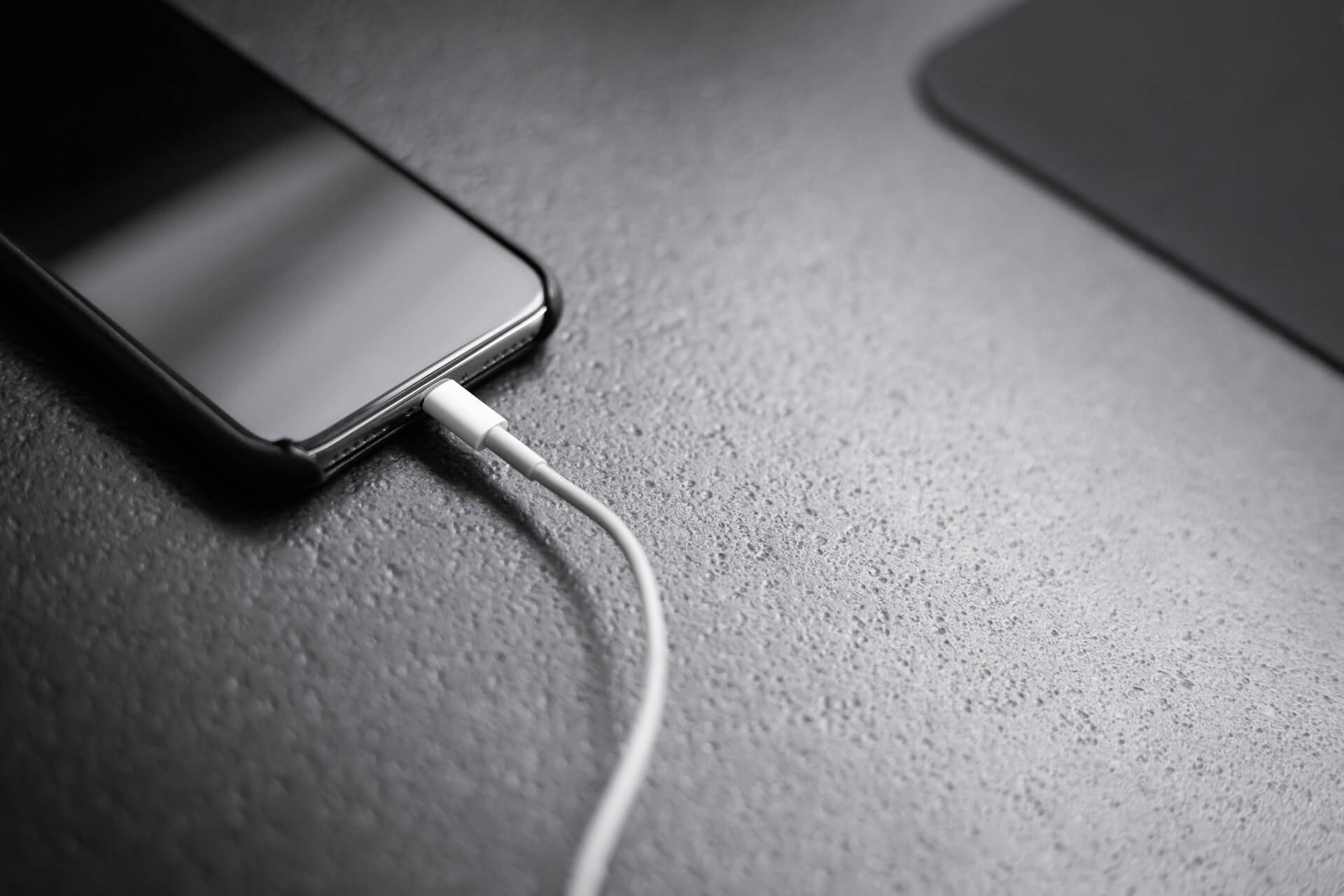
It’s important to consider your personal needs and power usage when deciding between portable chargers and power banks. You want to choose a power option that works with your mobile lifestyle, whether that involves a lot of travel, work commutes, camping, hiking, or other adventures.
Weight/Design
When shopping for power banks vs. portable chargers, consider the size and weight you want in your power source. Are you carrying it in your pocket or your bag? You want to choose the one that will be easiest to carry all day without weighing you down or taking up much space.
Since portable chargers are usually lighter than power banks, they may be your better option. If you’re packing for a longer trip, though, a slightly larger power bank may be worth the extra space.
Wireless vs Wired Charging
Another factor to consider when choosing between portable chargers and power banks is whether you want wired, wireless, or both charging. You don’t always want to carry charging cables with you, we get it. But if it’s a non-negotiable point, choose a portable charger that supports wireless charging.
If it’s not a concern for you, you’ll want to weigh other considerations, such as battery capacity and size/weight. Wired charging can also be a great choice when speed, compatibility, or the ability to charge multiple devices matter most.
Battery Capacity
This is one of the biggest factors when choosing between power banks and portable chargers. You want to make sure your charging accessory has enough “juice” to charge your device(s) without needing to recharge the accessory.
Will you be charging multiple devices? Do you need this charger during an extended period away from other power sources, such as traveling or hiking? The large battery capacity of power banks makes them the preferred option for those scenarios, while portable chargers are great for quick everyday charges.
The Main Differences
In summary, portable batteries typically have a greater battery capacity. Often, they have multiple ports so that you can charge multiple devices at once. They're usually designed for wired charging, meaning you need cables to connect your device.
They're also typically bulkier/heavier than portable chargers. In contrast, portable chargers are usually lighter and are often designed to charge wirelessly. That means no cables.
They are usually designed to charge just one device, and they're good for quick top-ups. Think of it this way: power banks are built for more power flexibility, while portable chargers are built for easy grab-and-go convenience.
Top-Rated Power Banks and Portable Chargers
You know the main differences between power banks and portable chargers. You know which factors to consider when comparing power banks vs portable chargers. Now it’s time to go shopping.
Take a look at a few of the top-rated choices on Mophie to get started!
Mophie Powerstation
If you’re looking for the fastest, most reliable power solutions, you can always count on Mophie to deliver. Just take a look at their Mophie Powerstation. This compact power bank delivers up to 30W of fast charging and features 2 USB-C ports so that you can charge up to 2 devices at once!
With its powerful battery capacity, this is the perfect solution for travel or everyday use.
Mophie Powerstation Mini
Everything you love about Powerstation is made even more compact with the Mophie Powerstation Mini. This small but mighty power bank delivers up to 20W of portable power and is the go-to for those looking for lightweight charging on the go. It’s only slightly bigger than a tube of your favorite lipstick!
Power Up Your Devices
Explore and connect from anywhere, at any time, with this lightweight, portable charger! The best-selling Mophie Snap+ Wireless Juice Pack Mini 5K Power Bank is compatible with any Qi-enabled smartphone. It also works with MagSafe ZAGG phone cases and accessories for iPhone models 12-15.
The sleek design snaps right onto the back of your phone for charging and can be easily detached when it’s finished.
Power Up Your Devices
Whether you prefer power banks vs portable chargers or the other way around, there’s a powerful portable charger from Mophie that’ll fit your mobile lifestyle. Explore our selection of power banks and portable chargers to find the perfect charging solution for your needs!
Power up, stay connected, and keep your day moving without treating every open outlet like a rare historical landmark.
FAQs
Are power banks and portable chargers the same thing?
Power banks and portable chargers play similar roles in keeping your devices juiced up and ready for the day, which is why these terms are often used interchangeably. That said, there are a couple of key differences you need to watch out for. The biggest factor to consider when choosing portable chargers vs. power banks is versatility.
Portable chargers are generally made for a single, specific device. They will feature built-in connectors, so you don’t have to bring your own. Power banks are much more flexible.
To differentiate power banks from portable chargers, think of them as giant batteries that allow you to charge any device, provided you have the right cables, of course. Portable chargers tend to be lighter than power banks. If you’re planning a trip and worried about getting weighed down, a charger might be the right call.
What is the capacity difference between power banks and portable chargers?
There’s a significant difference between portable chargers and power bank charge capacities. Portable chargers typically offer enough juice for one or two phone charges, while power banks can provide multiple charges for your phone or even power tablets and laptops. This is because power banks generally boast a higher capacity, meaning they store more energy.
Here’s a simple way to look at power bank vs. portable charger capacities: Imagine a portable charger as a small, quick refuel for your phone, and a power bank as a larger gas can that keeps multiple devices running for longer journeys.
Can portable chargers be used as power banks, too?
It depends on your device. In general, the limiting factor of portable chargers vs. power banks is versatility. While they both provide on-the-go charging, their design limits their functionality.
Portable chargers typically have a built-in cable for a specific device, such as an iPhone or Android device, and might lack the extra USB ports found on power banks. This limits them to charging one device at a time and restricts compatibility. Note that exceptions do exist here.
For instance, brands like Mophie make portable chargers with multiple USB-C and A ports. The bigger batteries in power banks vs portable chargers also play a role here. Smaller batteries in portable chargers often mean lower capacity, offering a quick charge for your phone.
So, while a portable charger might provide a handy top-up in a pinch, it wouldn't be ideal for powering multiple devices or offering extended charging like an actual power bank.
What are some advantages of using power banks?
If you’re aware of the differences between power banks and portable chargers, you’ll know that the biggest advantage of a power bank is capacity. Reputable manufacturers like Mophie produce high-capacity power banks that can quickly charge four or more devices and still have juice left over for the road. Another advantage of power banks vs portable chargers is interchangeability.
Since you don’t need to rely on built-in cables, you can always borrow one from a friend or buy a new one if your old cable stops working.
Should I choose a power bank or a portable charger for travel?
For travel, a power bank is usually the better choice if you’ll be away from outlets for long stretches or need to charge more than one device. A portable charger may be the better pick for lighter day trips, commuting, or quick battery top-offs. Either way, check your airline’s portable battery rules before you pack.