
Key Takeaways
- The material you choose for your case can have a massive impact on functionality, protection, weight, and even aesthetics.
- Materials like silicone and TPU offer flexibility, while polycarbonate, metal, and hybrids offer a solid blend of comfort and protection.
- Consider your lifestyle and everyday needs before investing in a phone case. Generally, you can’t go wrong with a graphene-reinforced ZAGG case.
Phone case materials have an outsized impact on your phone’s longevity and even its features, and yet very few of us ever look into the materials that make up our cases. Discover the best phone case materials for protection and why material matters so much with this ZAGG overview.
Why Material Matters
Your phone case isn’t just a hollow shell for your phone. Drops, bumps, and scratches are inevitable for the best of us, and your case is the first line of defense against these threats. That’s not all, either.
Varying Protection
Every material protects differently, and the best materials for phone cases are optimized to defend. You can’t expect the same level of protection from a flimsy silicone case as a hybrid TPU case.
In fact, dual-layer phone cases tend to be a lot more durable than single-layer ones. They might cost more, but the trade-off is walking away from a nasty fall with a pristine phone screen. We’ll take that trade any day.
Feel & Grip
Phone cases are not all about protection. If you choose wisely, the right material can completely transform the way you interact with your phone, making every scroll more comfortable. With phone case materials, every touch makes a difference, like rubberized grips that halt falls and metallic backs that lie cool against the palm.
Aesthetics
The best materials for phone cases can complement your entire aesthetic, doubling as a style statement and a protector. For example, leather cases scream sophistication, while a simple, clear phone case can be a great way to show off your phone’s colors.
Longevity
There’s a growing trend of people going ‘caseless’, but there’s a lot of misplaced confidence here coming from improvements in Gorilla Glass and phone bodies. A fall from the wrong height onto the wrong material can still shatter your expensive phone screen, and the best way to ensure its longevity is still a high-quality case.
Environmental Impact
Many buyers do (and should!) care about conscious consumption. The environmental impact of the best materials for phone cases can be negligible compared to others. Improvements in manufacturing now allow brands like ZAGG to incorporate recycled content into their phone cases.
Types of Phone Case Materials
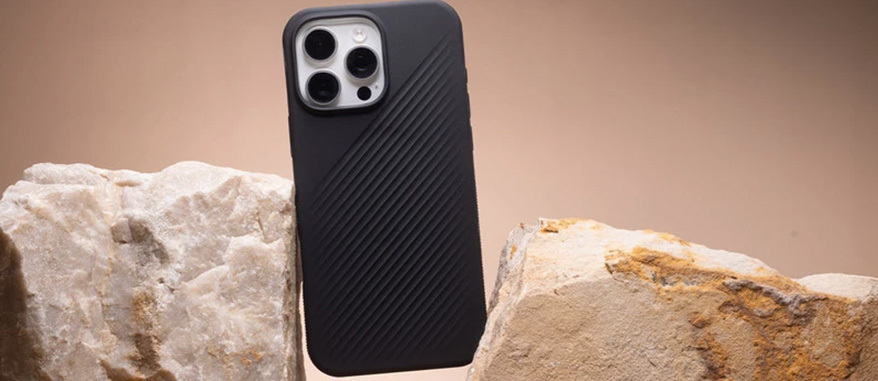
Finding the best phone case material for protection is no easy task, considering we’re spoiled for choice today. Let’s look at the different types of phone case materials available today, and what they bring to the table:
Silicone
Silicone phone cases are inexpensive, flexible, and offer minimal protection. They can protect your phone against scratches and minor bumps, but that’s about it. They can, however, be easily customized and usually come in a massive variety of colors.
Thermoplastic Polyurethane (TPU)
This is a more flexible, rubber-like material that offers much more protection than silicone. It may not be the best material for phone cases on its own, but it’s often used as an additional layer combined with other materials.
Polycarbonate
Polycarbonate is a hard plastic and a staple material used in today’s most popular cases. What makes polycarbonate so popular? It’s incredibly lightweight, relatively inexpensive, and pairs well with materials like TPU for additional resistance.
Metal
Metal sounds like it might be the perfect candidate for a protective, single-material case, but it’s typically used just as a layer. While stainless steel and aluminum do offer a ton of resistance, they can also hamper wireless charging and signal strength.
Hybrid
Typically, the best materials for phone cases available today are combined to create lightweight but tough cases. For example, ZAGG uses graphene fortification to strengthen their phone cases, delivering unbeatable toughness without creating bulky cases.
What To Consider When Choosing a Material
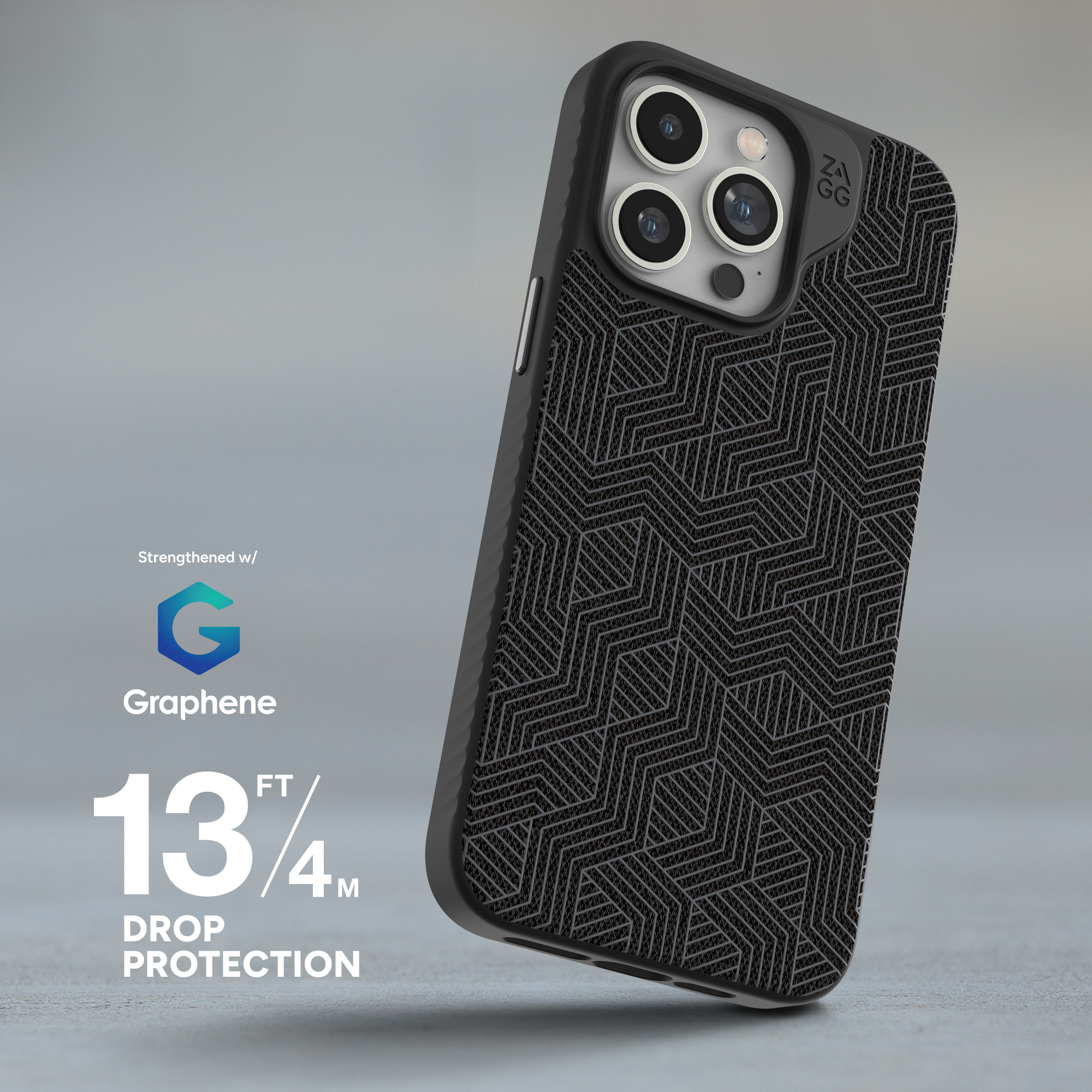
Ready to pick out a phone case material? Here’s what you should keep in mind before you buy.
Protection Level
How much protection do you need? If you’re someone who finds themselves tripping over stuff all the time and your phone has a penchant for slipping out of your pocket, you’ll need something tough and rugged like a TPU and polycarbonate hybrid.
On the other hand, if protection isn’t exactly a huge concern, the best material for a phone case for you might be something more lightweight, like silicone, or even a single-material polycarbonate case.
Handling
Selecting the best phone case material for protection won’t be very useful if it feels uncomfortable to hold. Ideally, you’ll want a case that incorporates some form of textured grip using TPU or silicone. Metal might feel solid to hold, but those cases can slip right through the fingers without a good grip.
Customizability
The best phone cases don’t just shield your phone; they also tell others exactly who you are. If you’re someone who loves to throw together the perfect fit, you’ll want to prioritize customizable materials like polycarbonate.
The best thing about choosing a reliable brand like ZAGG? You can get colorful, protective cases like the London Snap so you don’t have to compromise on personality or protection.
Picking The Right Case
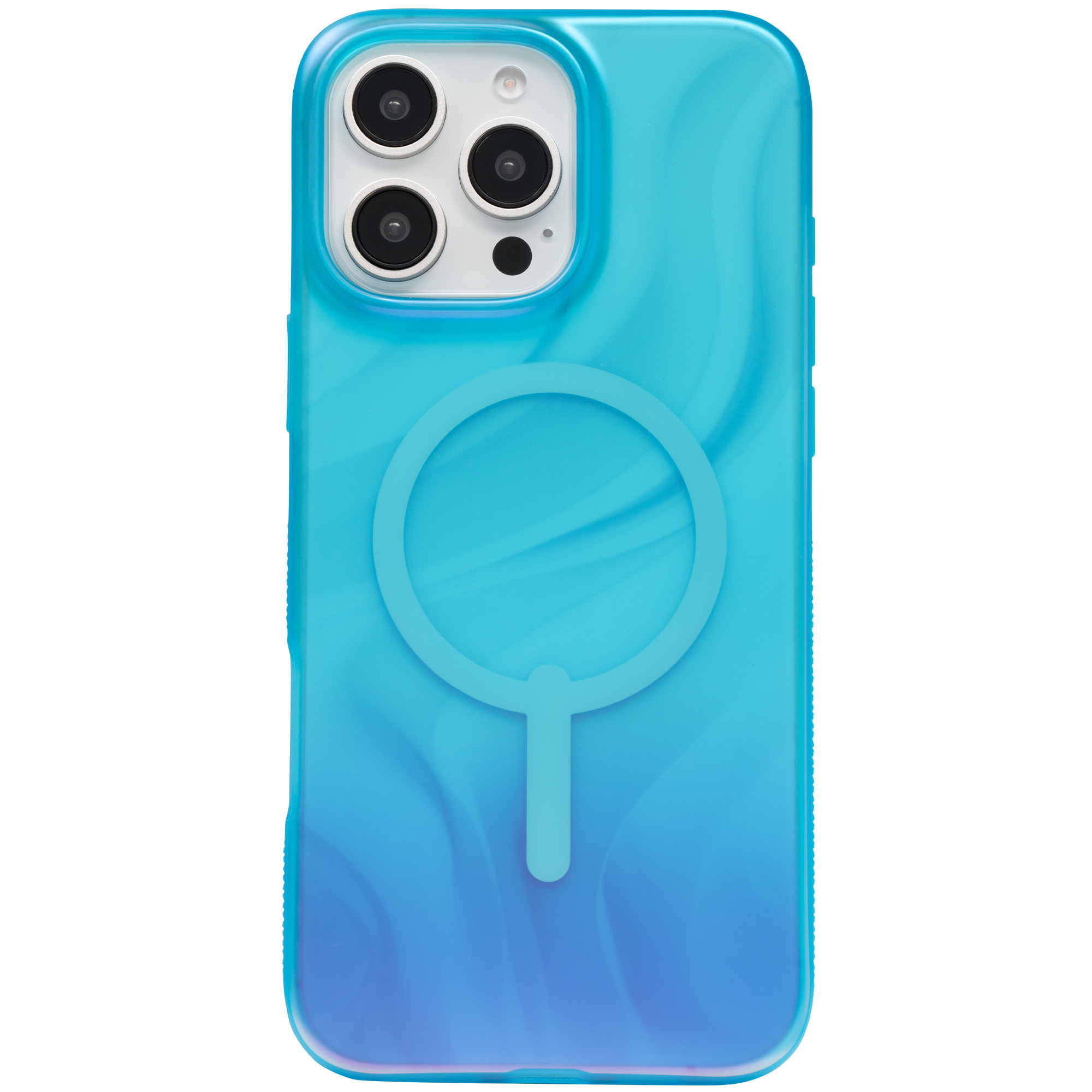
Now that you know about the best materials for phone cases, use these phone case material tips to find the perfect case for you. Each of these picks also supports MagSafe charging!
Thin Cases
If you’d like a thin case above all else, here’s the good news: you don’t have to compromise. ZAGG’s thin phone cases, like the SoHo Snap, incorporate graphene to keep the case lightweight while adding protection.
Hardshell Cases
These cases can come out of nasty drops and scratches looking brand new. ZAGG’s hardshell phone cases, like the Milan Snap, are a popular pick for power users who want something reliable that doesn’t compromise on color or personality. If you’re concerned about finding the best materials for phone cases, the Milan Snap is an easy choice that excels in all aspects.
Kickstand Cases
If you’re a frequent traveler, you know how important a good kickstand can be. ZAGG’s kickstand phone cases are designed for comfortable hands-free viewing experiences, and they support seamless wireless charging too! Get started with the Crystal Palace Snap.
Graphene Cases
ZAGG’s graphene cases offer the very best in protection and comfort. With cases like the Santa Cruz Snap, you get access to best-in-class protection along with pioneering heat-dissipating technology. This phone case material keeps your phone cool through heavy use, come rain or shine. This is one of the best phone case materials for protection, which doesn’t hurt either.
Eco-Friendly Cases
Eco-friendly ZAGG phone cases like the Luxe Snap incorporate the best materials for phone cases and recycled content. It’s the perfect choice if you’re looking for a strong, lightweight case that also minimizes your carbon footprint.
More durable phone cases might cost more than your average silicone case, but you’re essentially investing in the long-term health of your phone. Every minor feature, from textured grips to reinforced corners, can potentially save you from having to get an expensive screen replacement. A good case is forever.
Find The Best Phone Cases Today
Ready to give your phone the protection it deserves? Find the best materials for phone cases right here at ZAGG. Our elevated designs, high-quality materials, and limited lifetime warranty make us the go-to choice for phone cases, whether you’re a power user, frequent traveler, or casual scroller.
Frequently Asked Questions
Loading results...