
Key Takeaways
- Blue light can delay melatonin production, making it harder for you to fall asleep.
- Phones are particularly potent sources of blue light due to their brightness and their distance from our eyes.
- You can reduce your blue light exposure with a high-quality blue light screen protector, blue light filtering glasses, setting a screen curfew, and adjusting the brightness on your phone.
Scrolling on our phones before bedtime is a nightly ritual for many of us, but recent reports suggest that there might be something more sinister at play behind the scenes, sabotaging our sleep. Is your phone really keeping you up at night? Find out how phones affect sleep with this ZAGG overview, and fix your sleep schedule with some easy tips.
Cell Phones and Sleep: What is Blue Light, Anyway?
Blue light lies at the low-wavelength, high-energy end of the visible light spectrum. Surprisingly, your phone screen isn’t your only form of exposure to this light. It’s also the form of light responsible for giving the sky its signature blue color, scattered in the atmosphere by air molecules.
The sun is our biggest and primary source of blue light. Blue light isn’t all bad, either. In fact, it has benefits like:
- Being Energizing: Blue light packs much more energy than other hues like red and orange. This is directly tied to cell phones and sleep. Blue light is significantly more stimulating than other visible light and triggers responses in your brain to keep you more awake and attentive. Ever wonder why waking up and looking at the sky is so invigorating? You now have the answer.
- Regulating Sleep: A healthy dose of blue light is necessary for regulating your circadian rhythm. This is the internal clock in your body that determines when you’re awake or sleepy. When you interact with your phone, TV, or laptop at night, you’re essentially replicating that effect.
- Boosting Mood: Does blue light really affect sleep? Yes. However, it also plays a role in boosting your mood and keeping you more alert throughout the day. This is where things get complicated. As you’ll see, blue light, cell phones, and sleep have a complicated interplay, and too much of a good thing is rarely beneficial for the body.
How Phones Affect Sleep
Blue light undeniably benefits our waking life in some ways, but there’s a reason it’s becoming a growing concern worldwide today. If left unchecked, phones (and blue light) can have a devastating impact on sleep. Let’s dive deeper.
Melatonin Suppression
Blue light has a fascinating interaction with special cells in your eyes known as ipRGCs. When your eyes perceive blue light, it causes your brain to think it’s still daytime, thereby tricking it into suppressing melatonin. This is the core mechanism behind the interaction between cell phones and sleep.
The end result? The more you use your phone before bed, the longer your body waits to produce melatonin. The later melatonin is produced, the longer it’ll take you to fall asleep.
Distance & Intensity
We know blue light really does affect sleep, but there are degrees of blue light exposure that you might not realize. Not all doomscrolling is the same. The closer the device, the more concentrated the dose of blue light. This intensifies its impact on your circadian rhythm.
This is why phones have a particularly large impact on sleep compared to, say, watching an episode of Black Mirror or a sports match on the TV before bed.
Mental Stimulation
The relationship between cell phones and sleep isn’t all physical. Using your phone before bed also has a significant, stimulating mental impact that’s easy to overlook if you’re a frequent scroller. Texting, browsing your For You page, and refreshing the news all keep your brain alert and prevent it from switching off.
Sleep Quality
Like the best things in life, sleep is a matter of quantity and quality. Exposure to blue light at night can have a detrimental impact on your sleep quality due to the delayed release of melatonin. This leads to shallower, less restorative sleep cycles (reduced REM sleep), which is crucial for memory regulation.
Cell Phones and Sleep: Why Your Phone is The Main Culprit
How come phones get all the blame for blue light if most of us actively use at least two devices daily? Your phone might be smaller than your TV, but here’s why it plays a bigger role in blue light really affecting sleep.
Intensity
Intensity is usually the biggest factor in how phones affect sleep. Your phone screen might be small, but it’s also almost always directly in your face, especially before bedtime.
They’re Addictive
Your phone is likely the most powerful attention magnet in your arsenal. Scrolling before bed feels great, and your brain craves that next dopamine hit. This active mental state is directly counterproductive for sleep.
Modern Screen Design
Cell phone screens and sleep are connected. Whether you’re using a screen protector or not, modern phone screens are designed to maximize brightness and clarity, especially with the latest OLED models. You might not realize it, but you’re paying a heavy price for those vivid colors and brightly lit displays.
Simple Changes That Can Make a Difference
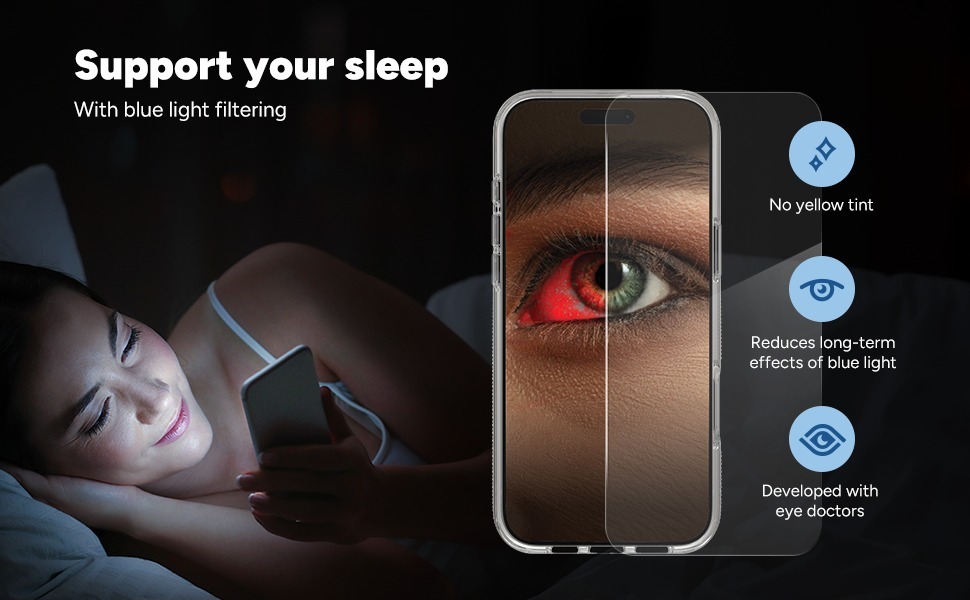
If all this sounds worrying, you shouldn’t panic. Reversing or at least minimizing the impact of blue light on your sleep is easier than you might think. Use these tips to get started:
Get the Right Screen Protector
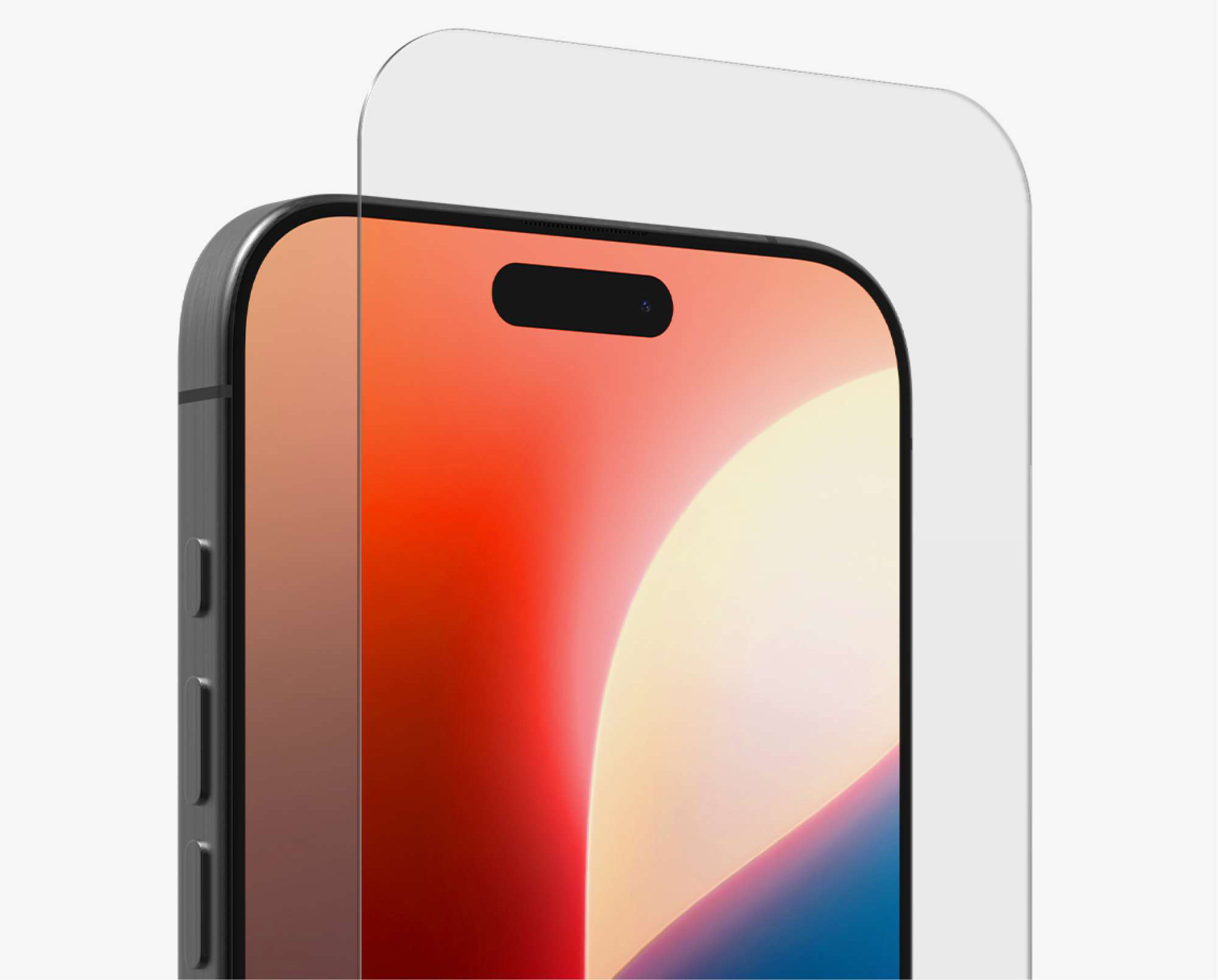
If you’re a frequent scroller who’s worried about cell phones and sleep, your first purchase should be a ZAGG Blue Light Screen Protector. A high-quality blue light screen protector can significantly enhance eye comfort and sleep quality by reducing your exposure to blue light before bed.
Why ZAGG? If you believe blue light really does affect sleep, you’ll want to invest in a brand that uses high-quality materials that won’t dampen your screen’s clarity and dull its colors.
Use Built-In Blue Light Filters
Blue light filtering is now a built-in feature on most flagship phones. If you’re on an iPhone, all you need to do is enable Night Shift in your Settings app. Android users can usually find their blue light filter (Night Light) setting in the Display tab.
Adjust Brightness
Cell phone brightness and sleep are connected. You should consider lowering your screen’s brightness and adjusting it to a warmer setting in the evenings to reduce blue light intensity. Most phones will even let you automate this, changing the warmth daily according to a schedule you set.
Blue Light Glasses
Some of us are aware of how phones affect sleep, but we still have to use them into the night due to work or other unavoidable reasons. If that sounds familiar, you could consider picking up a prescription for lenses with blue light filtering. They won’t eliminate your blue light exposure, but they can significantly reduce it.
Set Screen Curfews
Worried about cell phones and sleep? Discipline is the ultimate answer. If you can set a definite screen curfew for yourself and follow it, there’s no better way to improve your sleep quality.
Planning is your best friend here. If you know you’ll have to send an email before turning in for the night, just write it earlier and schedule your email client to send it at the right time.
Get Better Sleep with ZAGG
Does blue light really affect sleep? Yes. But a little bit of planning, discipline, and preparation can help even the biggest power users work around the effects of blue light. If you’re worried about cell phones and sleep, invest in a ZAGG blue light screen protector and give yourself the gift of eye comfort. With elevated designs, a limited lifetime warranty, and graphene fortification, there’s no looking back.
This website does not provide medical advice, and its products are not intended to diagnose, treat, cure or prevent any disease or medical condition. Please consult your physician or other qualified health care provider with any questions you may have about your health.
Frequently Asked Questions
Loading results...